Juvederm Filler

Secret to Ageless Beauty
Effortlessly Smooth Your Skin in 1 Session—No Surgery Needed

Relationship between Hyaluronic Acid (HA) and Aging

Hyaluronic acid (HA) plays a crucial role in maintaining skin hydration, volume, and elasticity. As we age, our body's natural production of HA decreases, resulting in reduced skin moisture retention and volume in specific facial areas. The loss of HA contributes to decreased moisture retention, volume loss, and impacts skin elasticity, leading to facial sagging.

Supplementing HA through dermal filler products can help replenish lost volume and improve skin hydration, reducing the appearance of sagging and restoring a more youthful look to the face.

For what areas is Juvederm filler treatment
most effective?

Cheek
Chin
Lines
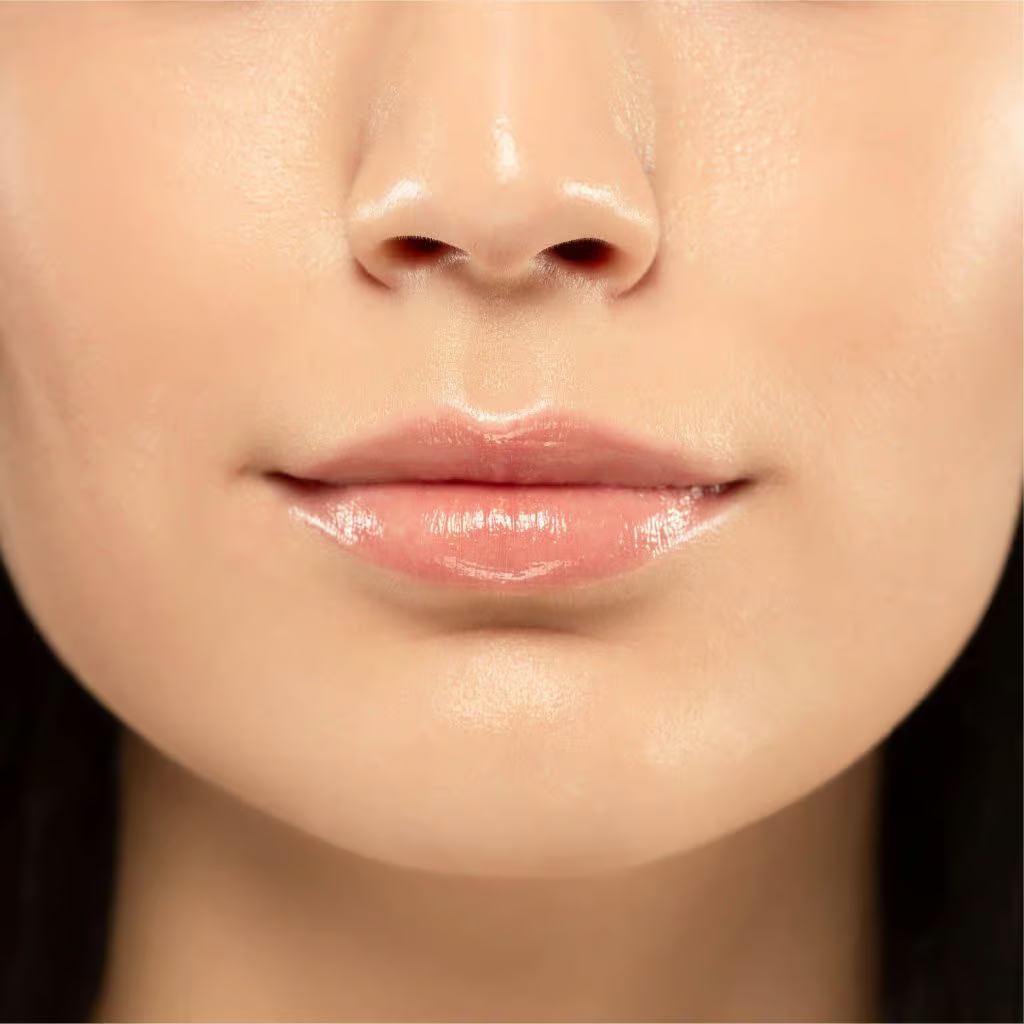
Lips
Jawline
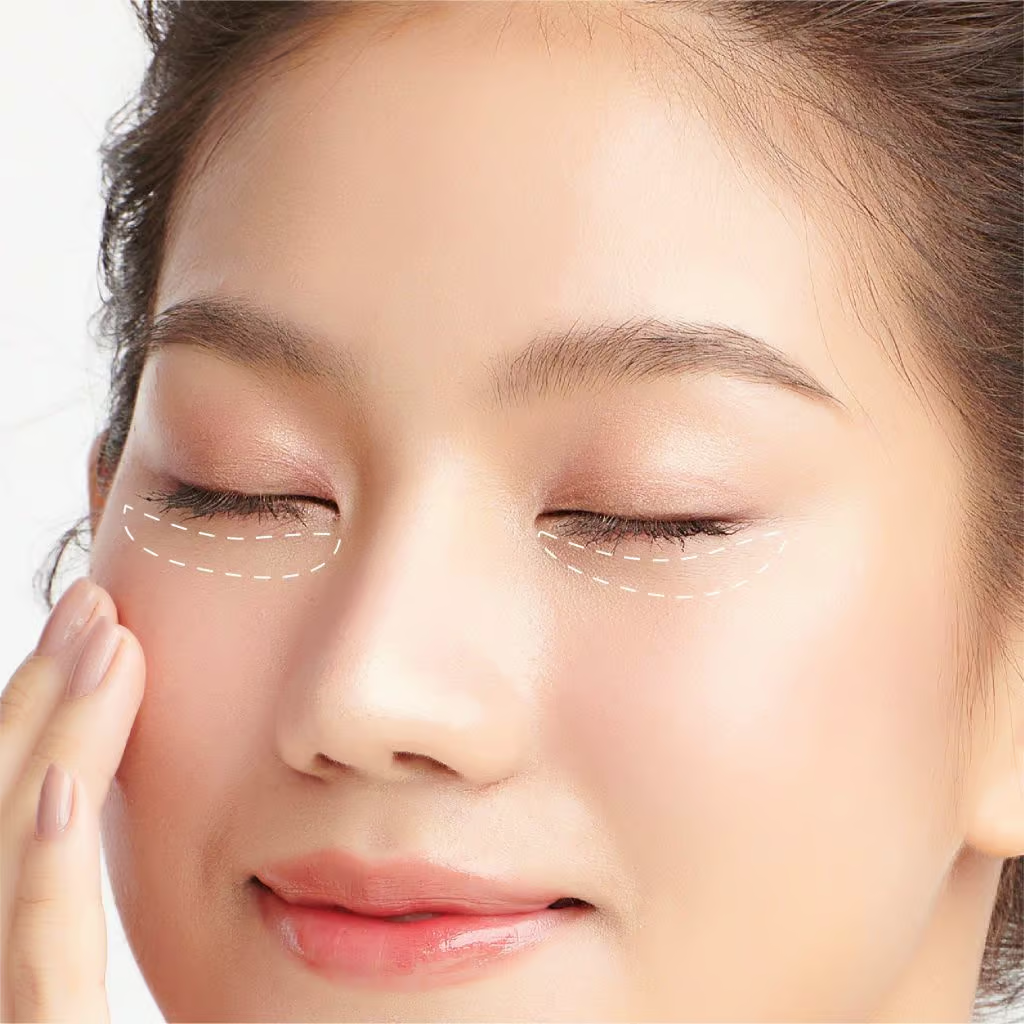
Under Eyes

How does Juvederm Filler work?

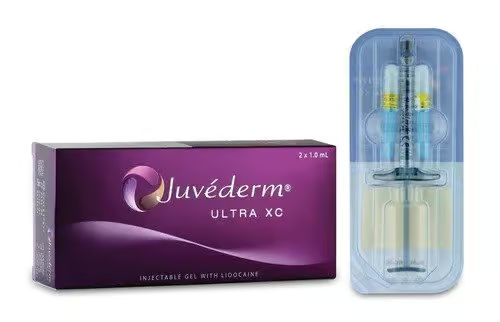
Hyaluronic acid (HA) naturally maintains skin moisture and softness. JUVÉDERM® fillers offer nonsurgical solutions, incorporating a modified HA. At AUREIGN AESTHETICS, treatment with JUVÉDERM® products ensures enduring, natural-looking results. HA-based fillers consistently stand out as a top choice among patients seeking effective, long-lasting solutions.

Frequently Asked Questions

How Does Juvederm Work?

Juvéderm works by utilizing hyaluronic acid, a naturally occurring substance in the skin that helps maintain hydration and volume. The Juvéderm fillers contain a modified form of hyaluronic acid. When injected, these fillers add volume and help smoothen wrinkles and fine lines by attracting and binding to water molecules in the skin. This process adds fullness and plumps up the skin, resulting in a smoother, more youthful appearance.

Who benefits most from Juvederm treatment?

The ideal candidates for Juvéderm are people looking to address signs of facial aging like wrinkles or lost volume. It’s also suitable for those aiming to enhance facial contours or plump lips. 

Is dermal filler treatment safe?

The risks associated with hyaluronic acid filler procedures are minimal, characterized by a very low possibility of allergic reactions, filler migration, embolism, or lumping. However, engaging an inexperienced doctor increases these risks. Given the significance of injection techniques, it’s advisable to seek this procedure from a skilled professional. Treatment should be performed by a suitably qualified practitioner. Discuss possible side effects, risks and aftercare before proceeding.

Are there any side effects from dermal filler treatment?

After the procedure, treated areas may appear slightly puffy. Patients might also experience mild swelling, bruising, and redness, which typically diminish over time. With minimal downtime, most patients can resume their daily activities immediately. However, it’s advisable to avoid strenuous physical activities for 24 to 48 hours post-procedure to reduce swelling and bruising.

How is dermal filler treatment performed?

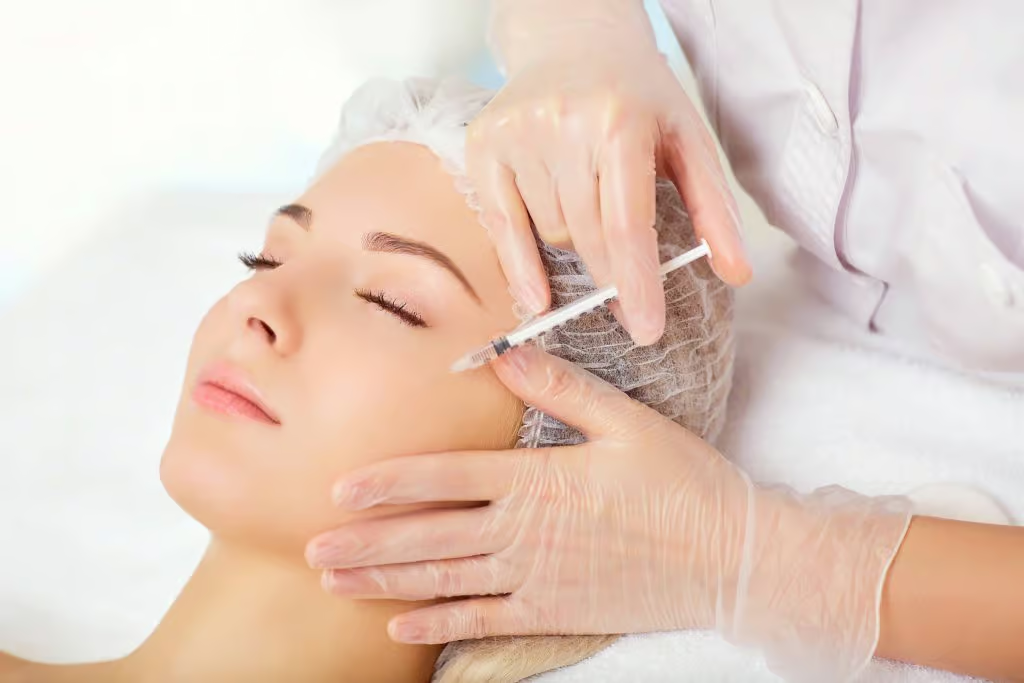
Based on your skin condition, the practitioner will first identify specific areas requiring hyaluronic acid filler injections. The injection sites will be disinfected, and local anaesthesia will be applied to numb the treatment areas. While the procedure is performed with measures to help reduce discomfort, some individuals might experience mild discomfort.


Each treatment site typically takes a few minutes for the hyaluronic acid injection and subsequent massaging. However, the overall treatment duration varies based on the number of treatment sites. For most patients, the entire procedure is swift and efficient.

How many treatment sessions are needed?

Typically, a single session of Juvederm is adequate to achieve the desired results. However, the number of sessions can vary based on individual requirements, the treated area, and the specific goals of the treatment.